165 participants, two days and a common goal: sharing knowledge, advancing innovation and strengthening the next generation of core technical professionals. On September 29 and 30, 2026, the third KERNTec took place at the Karlsruhe Institute of Technology (KIT). The conference brought together experts from industry, academia, research institutions, and public institutions, as well as numerous young scientists and researchers.
The program reflected the diversity of modern nuclear technology. From advanced reactor concepts and artificial intelligence to nuclear safety and decommissioning, to the disposal of radioactive waste, KERNTec provided insights into current research, technological developments, and industrial applications.
In their opening remarks, they emphasized Frank Apel and Nicole Koch the importance of professional development and the exchange between research and industry. A particular focus was on networking experienced experts with young talent in the core technology field. Because the long-term preservation and further development of nuclear technology expertise requires knowledge to be shared, experiences to be passed on, and new perspectives to be incorporated.
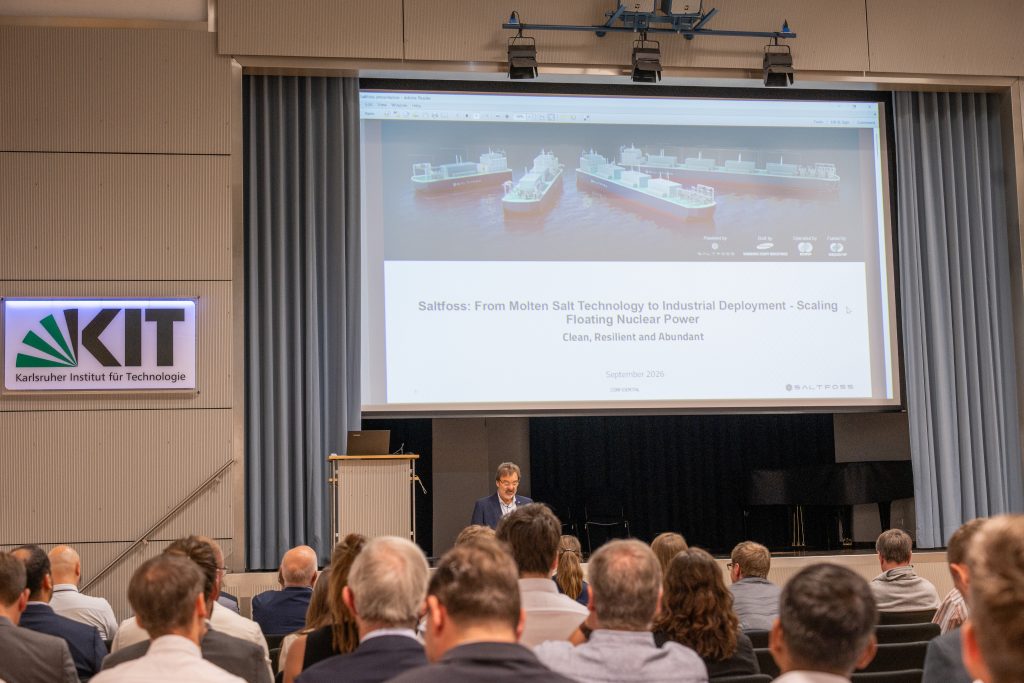
International developments: New perspectives for nuclear technology
The session „International Developments“ illustrated the breadth of current nuclear research and technological applications.
Dr. Kevin Dieter (Becker Technologies) presented experimental studies at the THAI reactor safety test facility. Wilfried Hahn (Copenhagen Atomics) presented the development status of its company's thorium liquid-salt reactor.
Prof Dr Jörg Starflinger (University of Stuttgart) devoted itself to safety analyses for micro-modular reactors that could be used in space in the future. Sven Wegener (Framatome) highlighted developments in nuclear medicine and the challenges of reliable supply of medical isotopes.
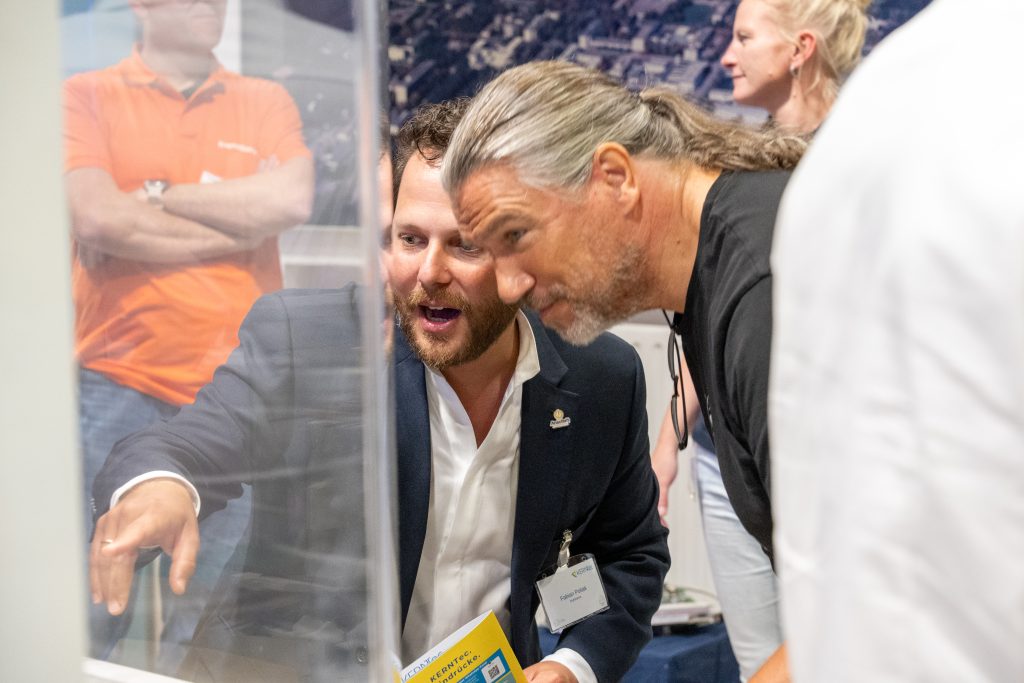
From artificial intelligence to floating nuclear power plants
The opening presentations already made clear the technological scope of the conference. Prof Dr Thomas Kopinski (Gaia Lab) highlighted the potential of artificial intelligence for strategic decisions in fission and fusion. Professor Dr. Walter Neu (Emden/Leer University) opened an interdisciplinary perspective with his presentation on the Hyperloop technology.
Klaus Nyengaard (Saltfoss Energy) presented the development of liquid salt reactors and their possible use on floating nuclear power plant platforms. Matthias Maiwald (GASCADE Gastransport) provided insights into the structure of the German hydrogen core network.
An interactive discussion with Uwe Stoll and Dr. Tatiana Salnikova (Framatome) rounded off the opening session with a large-scale power outage on the Iberian Peninsula. The focus was on the stability of electrical supply systems and the impact on the operation of nuclear power plants.
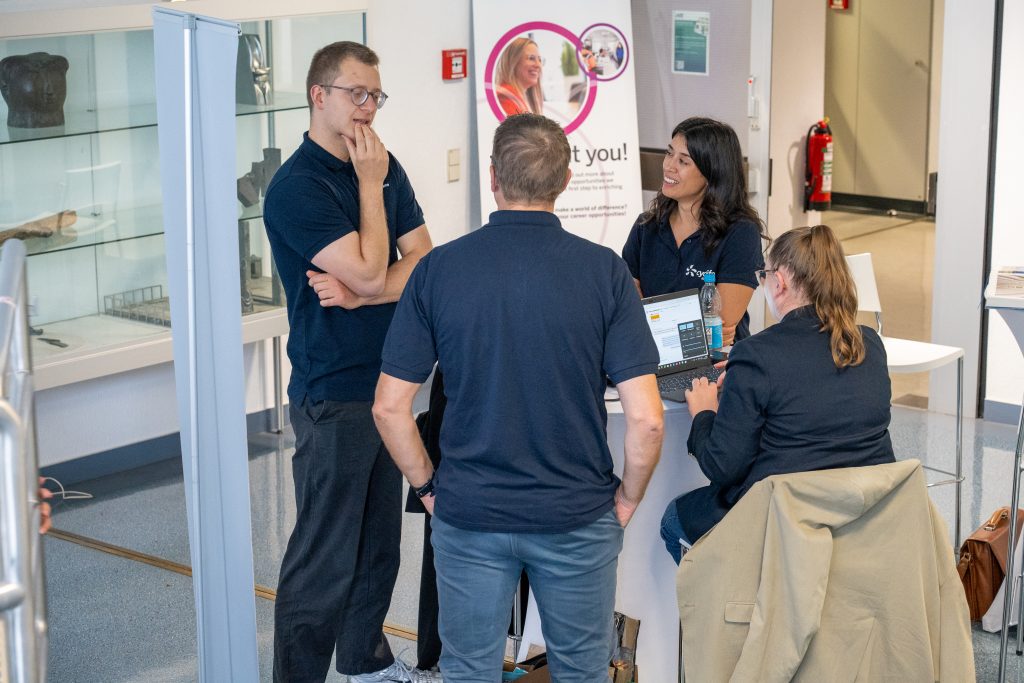
Demolition and waste treatment: Innovations in practice
The session „Decommissioning and Waste Treatment“ focused on innovative processes and practical experiences in nuclear decommissioning.
Sergei Retich (Clean-Laser systems) presented the use of pulsed high-power lasers for decontamination and removal of coatings. Vivien Hein (SPIE SAT) reported on the recovery of the so-called „Roman Pits“ at the Joint Research Centre in Ispra.
Felicia Rådne and Tobias Bergstedt (Uniper) provided insights into Swedish demolition projects and the interplay between project progress and occupational safety. Dr Hans-Georg Willschütz (PreussenElektra) reported on the final phase of the decommissioning of the Stade nuclear power plant.
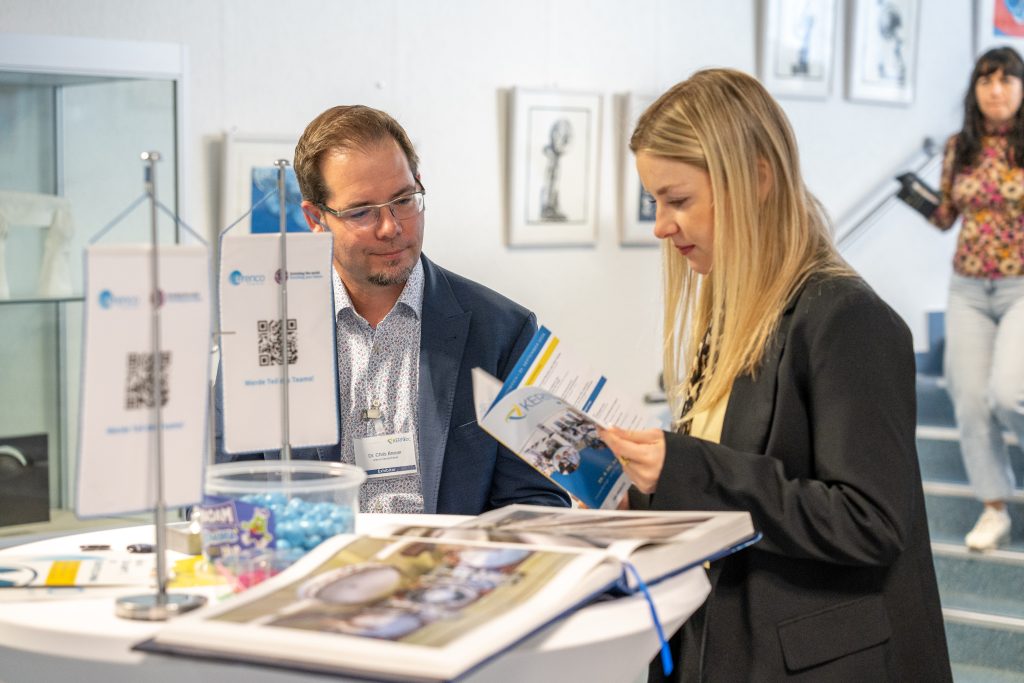
Young Scientists Workshop: The Next Generation at the Center
A special focus of KERNTec 2026 was on the promotion of young female scientists. The event, firmly integrated into the conference program, Young Scientists Workshop It offered core technology young talent the opportunity to present their own research work, discuss it with experienced experts, and make valuable contacts.
The contributions covered a wide range of topics – from thermohydraulic simulations and material research to dismantling and disposal technologies, as well as machine learning and virtual reality applications.
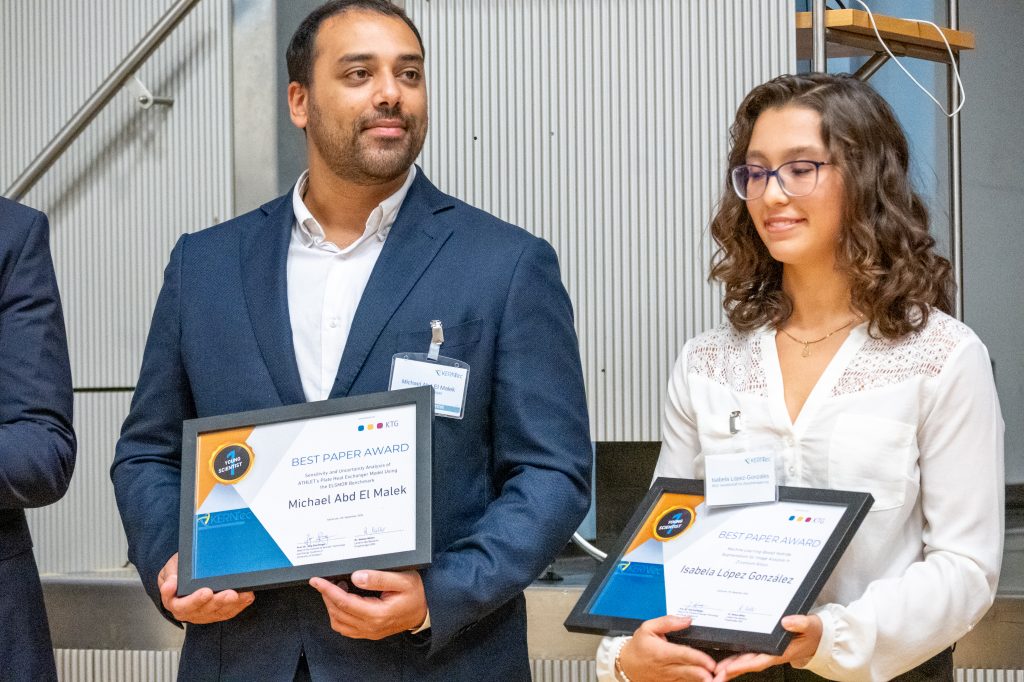
A professional jury, composed of Prof Dr Jörg Starflinger (University of Stuttgart), Dr Helena Möller (GRS), Matthias Daichendt (Cyclife Germany) and Dr. Tobias Jankowski (Ruhr-Universität Bochum), awarded two outstanding works with the Young Scientists Workshop Awards.
Michael Abd El Malek (University of Stuttgart) was awarded for its research into the sensitivity and uncertainty of thermohydraulic simulations. Isabela López González (Technical University of Munich) received the award for its research work on the use of machine learning in the analysis of hydrides in zirconium alloys.
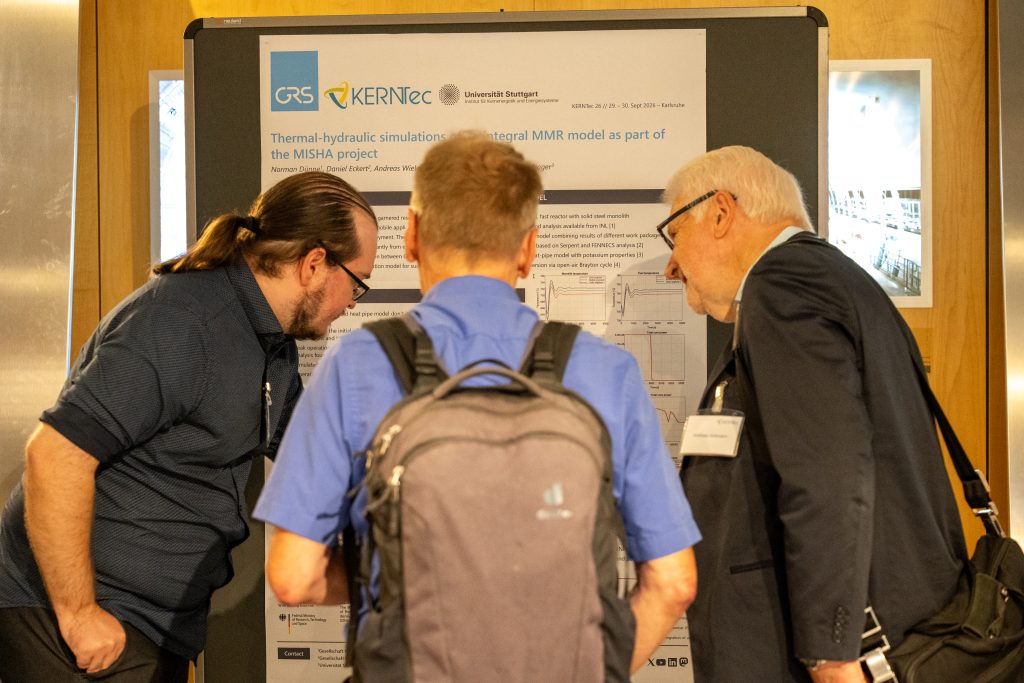
The Best Poster Award went to Anlan Zhou (KIT) for a research project on the use of a novel magnetic filter to reduce radioactive waste from decommissioning. In addition to the scientific recognition, the award winner was also able to enjoy a LEGO set.
The awards not only recognized outstanding scientific achievements, but also underscored the importance of the next generation of researchers for the future of nuclear technology.
Competence and security: Foundations for tomorrow's core technologies
The session „Competence and Safety“ highlighted the interplay between operational experience, technological innovation, regulatory requirements, and the preservation of core technical competencies.
Dr. Abderrahim Al Mazouzi (EDF R&D) provided insights into time extension and new build projects within the EDF nuclear power fleet, as well as into the work of the European Industrial Alliance on Small Modular Reactors.
Joachim Herb (GRS) focused on legal and technical regulatory approaches for fusion facilities in Germany.
Dr. Ulla Engelmann, The Director of the Joint Research Centre of the European Commission in Karlsruhe highlighted the importance of research, training and qualification for the long-term preservation of nuclear technical expertise in Europe. Her presentation „Competence Is Safety“ thus addressed a central idea of the entire conference: safety not only requires reliable technologies, but above all qualified people.
Intermediate and final storage: Responsibility for radioactive waste
The session „Interim and Final Disposal“ dealt with the technical and organizational challenges of radioactive waste disposal.
Dr. Thomas Hassel (Leibniz University Hannover) investigated the suitability of transport and interim storage containers for the final disposal of highly radioactive waste. Dr. Pia Lochner (GNS) highlighted the challenges in the treatment of radioactive waste on the way to an end-of-life repository.
Dr. Maria Fleischer and Tobias Schenk (Kerntechnische Entsorgung Karlsruhe) presented demonstration strategies for radioactive waste to be stored in the Konrad final repository. Christoph Reil (BGE) presented possibilities for the digitalization and further development of product control.
Final Keynotes: From Research to Industrial Implementation
The final keynote program focused on current developments and practical challenges facing German core technology.
Peter Duwe (BGE) reported on the progress and challenges in the construction of the end-of-waste facility Konrad. Dr. Frank Jüttemann (GNS) focused on the internationalization of CASTOR technology and the global importance of German transport and warehousing solutions.
Dr. Maik Stuke (BGZ) presented the research program for the safe long-term storage of radioactive waste. Dr. Jörg Stinnesbeck (RWE Nuclear) provided insights into the implementation and management of large-scale decommissioning projects based on the Gundremmingen nuclear power plant.
The contributions illustrated that German nuclear technical expertise remains of great importance both for long-term national tasks and internationally.
More than just lectures: A conference that thrives on exchange
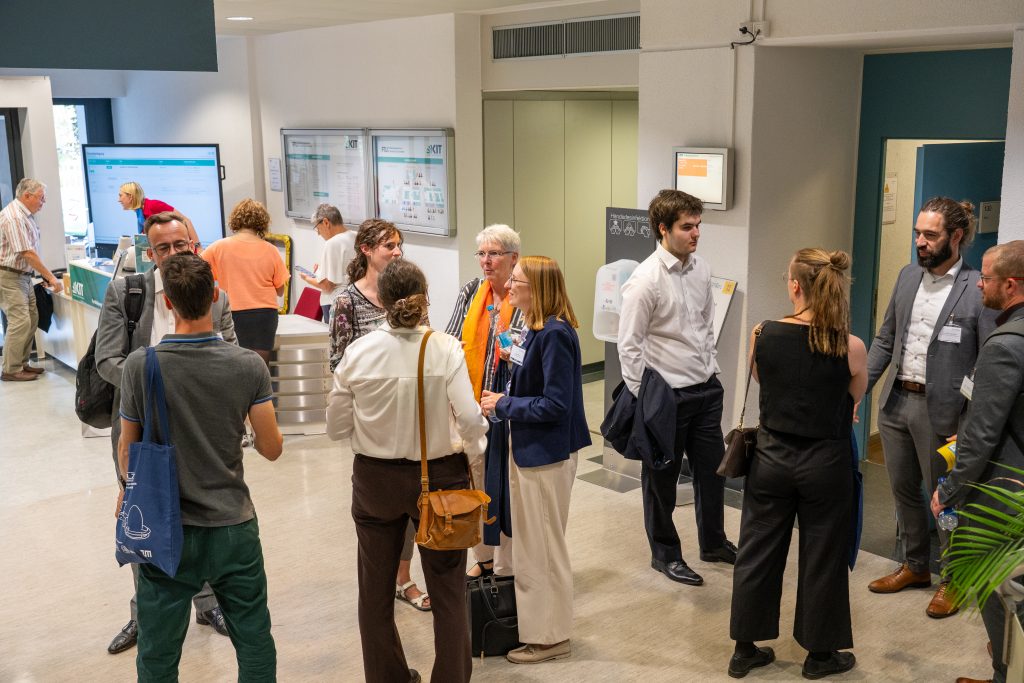
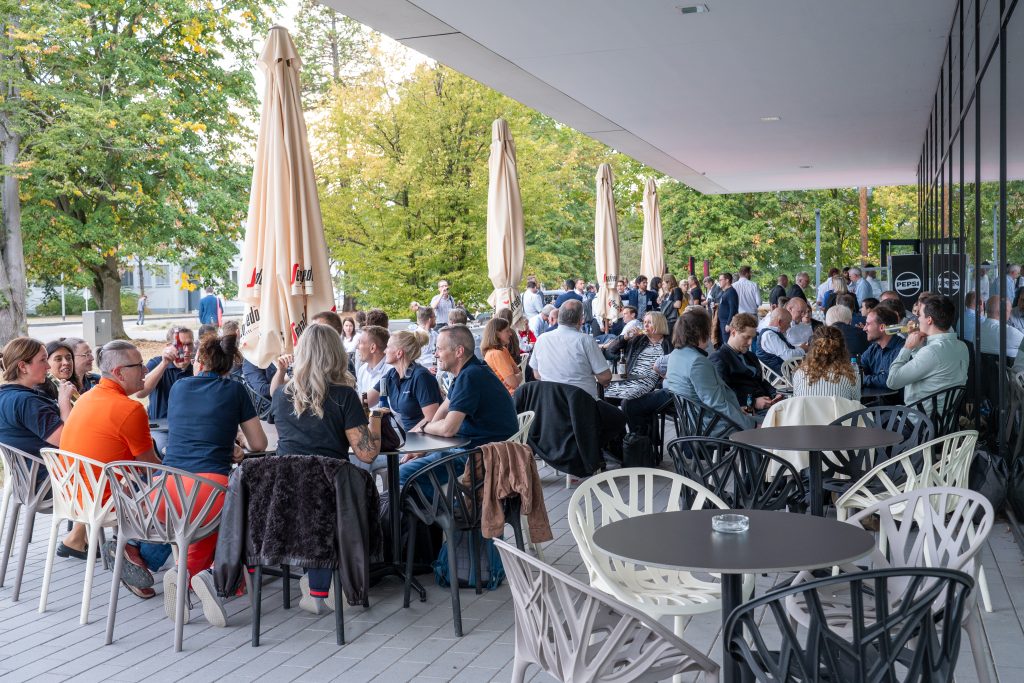
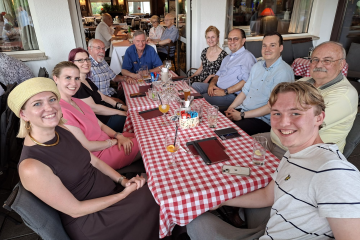
In addition to the extensive program of events, KERNTec offered numerous opportunities for personal exchange. Common breaks, the poster exhibition, and the evening get-together with dinner, sundowner pitches, and music created space for discussions, new contacts, and possible collaborations.
The close networking between experienced professionals, young researchers, and representatives of industry was particularly valuable. KERNTec once again demonstrated the contribution that professional societies and competence networks can make in bringing people and knowledge together across organizational and professional boundaries.
Outlook: Continuing to develop expertise together
The KERNTec 2026 event demonstrated how diverse, innovative and internationally networked nuclear technology is today. At the same time, it became clear that technological progress requires qualified professionals, scientific exchange and industrial collaboration.
Special thanks go to our program committee, whose commitment has enabled the conference to have such a diverse and high-quality content, as well as to all the speakers, participants, and contributors.
KERNTec 2026 has combined the expertise of today with the skilled workers of tomorrow, thereby making an important contribution to the preservation and further development of nuclear technology expertise.
The KERNTec event will also take place in 2027. Information about the date and venue will follow.

 English (UK)
  Deutsch